Many Victorian pocket watches were made with no signature to hide the real maker.Early 1900s silver fobs often combined metals like gold, brass, and enamel for symbolism.Most Art Deco jewelry used geometric shapes inspired by Egyptian excavations.Old luggage labels from the 1920s are now highly collectible travel ephemera.Some WWI trench art was crafted from spent artillery shells by soldiers themselves.19th-century postcards often served as both letters and souvenirs.Bakelite, invented in 1907, was the first true plastic and is now a sought-after collectible.Vintage fountain pens used gold nibs because steel corroded in early inks.Old photo albums were sometimes bound in leather or celluloid with hand-painted covers.Most antique keys were handmade and slightly asymmetrical—this was intentional.Victorian mourning jewelry often contained woven hair of loved ones.Before 1900, many pocket knives were custom-engraved as personal gifts.Early wristwatches were created for military use before becoming everyday fashion.Original enamel signs are prized because the colors never fade, even after decades outdoors.Antique maps often contain deliberate errors to catch unauthorized copies.Old cameras sometimes used leather bellows that were hand-stitched.Many vintage medals and tokens were struck in small batches for local clubs and events.Skeleton pocket watches were popular in the 1800s to show off the movement’s craftsmanship.Most 19th-century cutlery handles were made from bone rather than plastic.Art Nouveau pieces often featured natural forms like vines, insects, and flowing lines.Early typewriters had no standard keyboard layout before QWERTY was adopted.Old coins often carry tiny mint marks that reveal hidden historical details.Vintage matchbox labels are one of the most collected paper antiques worldwide.Many early glass bottles were blown by mouth, leaving a distinctive pontil mark underneath.Collectors value patina on bronze — removing it can drastically reduce value.Vintage postcards can reveal cityscapes that no longer exist.Before plastics, combs were often carved from horn, bone, or tortoiseshell.Old desk stamps were often custom-made for businesses and used unique fonts.Hand-painted porcelain miniatures were prestige items in the late 1800s.Vintage military badges were sometimes embroidered with real silver thread.Before color film, photos were hand-tinted by artists for realistic tones.Some antique lockets contain micro-photographs only visible through magnification.The earliest bicycles had no pedals and were pushed along with the feet.Old ship logs often used ink made from oak galls and iron salts.Vintage pocket compasses were popular travel souvenirs in the early 1900s.Early telephones were sold as furniture pieces, not just devices.Many antique books used rag paper, which survives far longer than modern wood pulp paper.In the 1800s, sealing wax colors indicated social status and message type.Original vintage posters were often printed in limited runs and never reissued.
Vintage isn’t just a style! It’s a little step back in time.
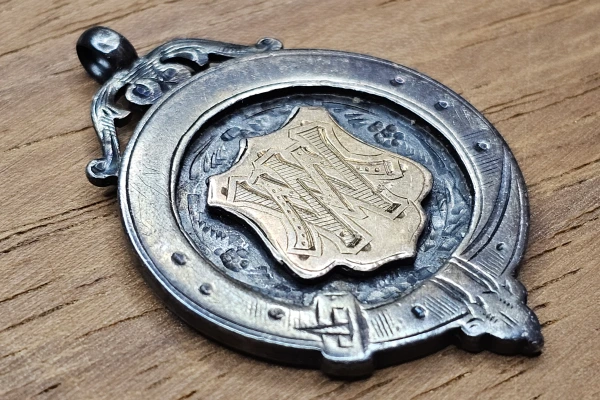
This antique sterling silver and 9ct gold fob, hallmarked in Birmingham in 1911, showcases the refined craftsmanship of the Edwardian period. With its hand-engraved gold shield, ornate silver frame, and a full set of clear hallmarks, it reflects the personal style, pride, and meticulous metalwork of early 20th-century jewellery. A small yet significant piece of social history that has survived more than a century.
No image available for this section yet.
Subscribe to Our Newsletter
Stay updated with the latest news and exclusive content.
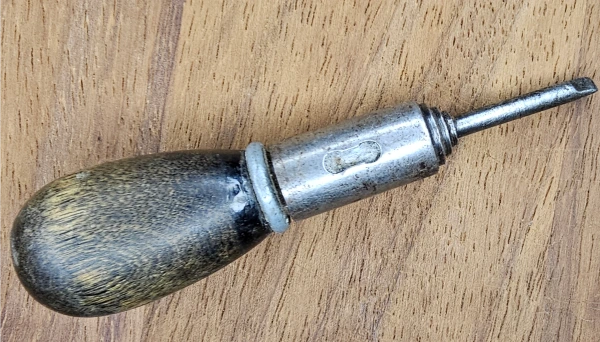
Early Yankee No. 2H “Handyman” Ratchet Screwdriver
A detailed look at an early Yankee No. 2H “Handyman” ratchet screwdriver—its history, wear, missing parts, and the craftsmanship that helped it survive nearly a century of work.